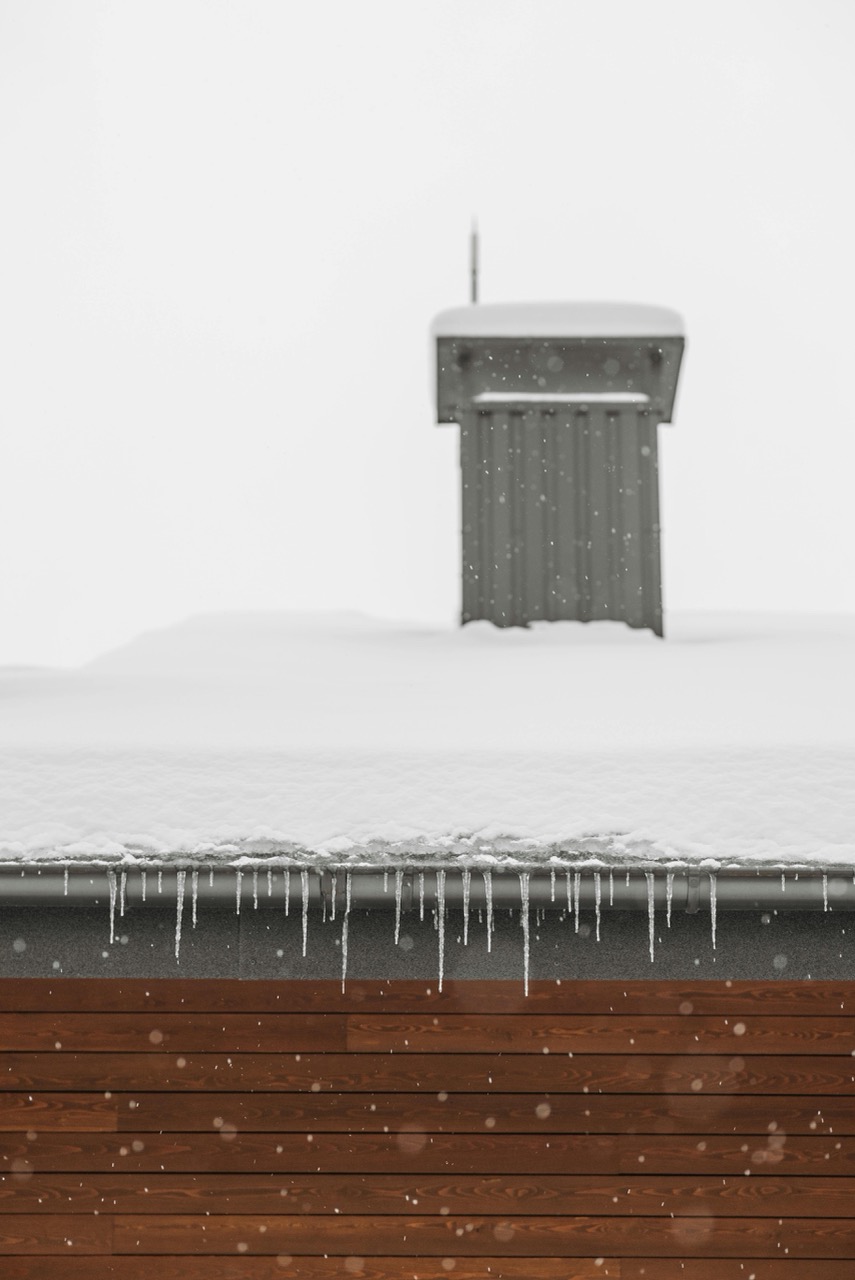
North Idaho winters are beautiful—but they're also brutal on your home's roof and gutters. Ice dams, frozen gutters, and icicles aren't just inconvenient; they cause thousands of dollars in roof damage, gutter destruction, and interior water leaks every year. Heat tape (also called heat cable or roof de-icing cable) prevents these problems by keeping your roof edges and gutters warm enough to allow water to drain properly. K.O. Electric provides professional heat tape installation throughout Coeur d'Alene, Post Falls, Hayden, and North Idaho, protecting your home from costly winter damage.
Heat tape is an electrical heating cable installed along roof edges, in gutters, and in downspouts to prevent ice buildup during winter.
How Heat Tape Prevents Ice Dams
When snow on your roof melts (from attic heat or sun exposure), the water runs down toward your gutters. But if your roof edge and gutters are frozen, that water has nowhere to go. It backs up under your shingles, refreezes into ice dams, and eventually leaks into your attic, walls, and ceilings.
Heat tape keeps a clear path for water to flow off your roof and through your gutters, preventing ice dams before they form.
Where Heat Tape is Installed
Self-Regulating vs Constant-Wattage Heat Tape
Self-regulating heat tape automatically adjusts its heat output based on temperature—using more power when it's colder and less when it's warmer. This is more energy-efficient and safer than older constant-wattage cable.
Constant-wattage heat tape produces the same heat output regardless of temperature. It's less expensive but uses more electricity and can overheat if not properly controlled.
We recommend self-regulating heat tape for most North Idaho homes—it's more efficient, safer, and lasts longer.
If you live in Coeur d'Alene, Post Falls, Hayden, or anywhere in North Idaho, you've seen the damage winter can do.
Heavy Snow and Ice Accumulation
North Idaho receives 50-100+ inches of snow annually, depending on elevation. This snow sits on your roof for weeks or months, creating perfect conditions for ice dams.
Freeze-Thaw Cycles
Winter days above freezing followed by freezing nights cause repeated melting and refreezing. This cycle creates thick ice dams that grow larger with each temperature swing.
Older Homes With Poor Attic Insulation
Many Coeur d'Alene and Post Falls homes built before 2000 have inadequate attic insulation. Heat escaping from your living space melts snow on your roof, which then refreezes at the cold roof edge—creating ice dams.
Complex Roof Designs
Homes with multiple roof valleys, dormers, or varying roof pitches have more areas where ice and snow accumulate. These complex designs make ice dams more likely and more damaging.
Gutter Damage and Replacement Costs
Frozen gutters filled with ice can pull away from your home, bend, or break entirely. Replacing damaged gutters costs $1,000-3,000+. Heat tape installation costs $800-2,000 and prevents this damage year after year.
Interior Water Damage
Ice dams force water under your shingles and into your attic, causing ceiling stains, wall damage, insulation damage, and mold growth. Repairing interior water damage costs $2,000-10,000+—far more than preventing it with heat tape.
The bottom line: Heat tape is cheap insurance against expensive winter damage. One ice dam can cost more to repair than 5-10 years of heat tape installation and operation.
Professional heat tape installation ensures your system works effectively and safely throughout the winter.
Step 1: Free Consultation & Roof Assessment (30-60 minutes)
We'll visit your Coeur d'Alene, Post Falls, or Hayden property to assess your roof design, identify problem areas, measure your gutters and roof edges, and determine the right amount and placement of heat tape. You'll receive a detailed quote with no obligation.
Step 2: System Design & Planning
We'll design a heat tape system specific to your home's needs—mapping cable routes along roof edges, valleys, gutters, and downspouts. We'll determine the best power source location and ensure your electrical panel can support the additional load.
Step 3: Installation (4-8 hours, weather dependent)
Our licensed electricians will:
Step 4: Electrical Connection & Testing
We'll connect your heat tape system to a dedicated circuit with GFCI protection (required by code for outdoor electrical). We'll test all zones to verify proper heating and safe operation.
Step 5: Operational Training
We'll show you how to operate your heat tape system—when to turn it on (before winter storms), how to adjust settings, and what to watch for during operation.
Most heat tape installations are completed in one day. We schedule installations in fall (September-November) before winter weather arrives. Don't wait until you have ice dams—install heat tape proactively to prevent damage.
Understanding both installation and operating costs helps you budget for this important winter protection.
Installation Costs
Heat tape installation typically costs $800-2,000 depending on:
Operating Costs (Electricity)
Heat tape uses electricity while operating. Costs depend on:
Example operating cost:
Most North Idaho homes spend $50-150 per winter operating heat tape—far less than repairing one ice dam ($2,000-10,000).
Return on Investment
One ice dam repair costs $2,000-10,000. Heat tape installation costs $800-2,000 and lasts 10-15 years. Even if heat tape prevents just one ice dam, it pays for itself many times over.
Professional installation ensures your heat tape operates safely, but regular maintenance helps it last longer.
Before Each Winter (September-October)
During Winter
After Winter (March-April)
Safety Considerations
Professional installation by K.O. Electric includes proper GFCI protection, code-compliant wiring, and safe cable routing to minimize fire risk and ensure reliable operation.
Timing matters for heat tape installation.
Best Installation Season: September-November
Install heat tape in fall before winter weather arrives. This gives you protection in place before the first snow, avoids working on icy roofs, and prevents the "emergency installation" premium when everyone calls during ice dam season.
Emergency Winter Installation
If you're already experiencing ice dams, we can install heat tape during winter—but it's more challenging, more expensive, and less effective once ice has already formed. Proactive installation is always better and more affordable.
Spring Damage Assessment
If you experienced ice dam damage this past winter, spring is the perfect time to schedule heat tape installation for next winter. We'll assess the damage, make recommendations, and get you on the schedule for fall installation.
Don't wait until you see icicles and ice dams—call K.O. Electric in fall to protect your home before winter hits.
K.O. Electric provides professional heat tape installation throughout Kootenai County, Bonner County, and Shoshone County. We've protected homes from ice dams across North Idaho—from lakefront properties in Coeur d'Alene to mountain homes in the Silver Valley.
Whether you're in Coeur d'Alene, Post Falls, Hayden, Rathdrum, Sandpoint, or anywhere in North Idaho, we'll design and install a heat tape system that protects your home all winter long.
Q: How much does heat tape installation cost in Coeur d'Alene?
A: Heat tape installation typically costs $800-2,000 depending on the linear feet of coverage needed, roof complexity, and electrical work required. Most North Idaho homes need 50-150 feet of heat tape along roof edges, gutters, and downspouts. We provide free, detailed quotes for all projects.
Q: How much does it cost to run heat tape per month?
A: Operating costs depend on cable type and usage, but most North Idaho homes spend $50-150 per winter (November-March) on electricity for heat tape. Self-regulating heat tape is more efficient than constant-wattage cable and automatically adjusts power usage based on temperature.
Q: When should I turn on my heat tape?
A: Turn on heat tape before winter storms when temperatures drop below 32°F and snow is forecasted. Don't wait until you already have ice dams—heat tape works best when turned on proactively. Many homeowners turn it on in November and leave it on until March, or use a thermostat controller to automate operation.
Q: Will heat tape damage my roof or gutters?
A: No. Professional heat tape installation uses proper clips and fasteners designed for roofs and gutters. We never use methods that damage shingles or puncture gutters. Properly installed heat tape protects your roof—it doesn't harm it.
Q: How long does heat tape last?
A: Quality self-regulating heat tape lasts 10-15 years with proper installation and maintenance. Constant-wattage cable may need replacement sooner. We use commercial-grade heat tape designed for harsh North Idaho winters.
Q: Can I install heat tape myself?
A: We don't recommend it. Heat tape installation requires working on roofs in potentially icy conditions, proper electrical knowledge for GFCI-protected circuits, understanding of heat tape specifications and layout, and code-compliant installation. Improper installation can create fire hazards or fail to prevent ice dams. Professional installation ensures safety and effectiveness.
Q: Do I need a permit for heat tape installation?
A: Electrical permits are typically required for the circuit and GFCI protection, though not always for the cable installation itself. K.O. Electric handles all necessary permitting and ensures code-compliant installation.
Q: Does heat tape prevent all ice dams?
A: Properly designed and installed heat tape prevents ice dams in the protected areas. However, if you have significant attic heat loss, extremely heavy snow accumulation, or complex roof designs, you may also need attic insulation improvements for complete ice dam prevention. We'll assess your specific situation during consultation.

.png)

