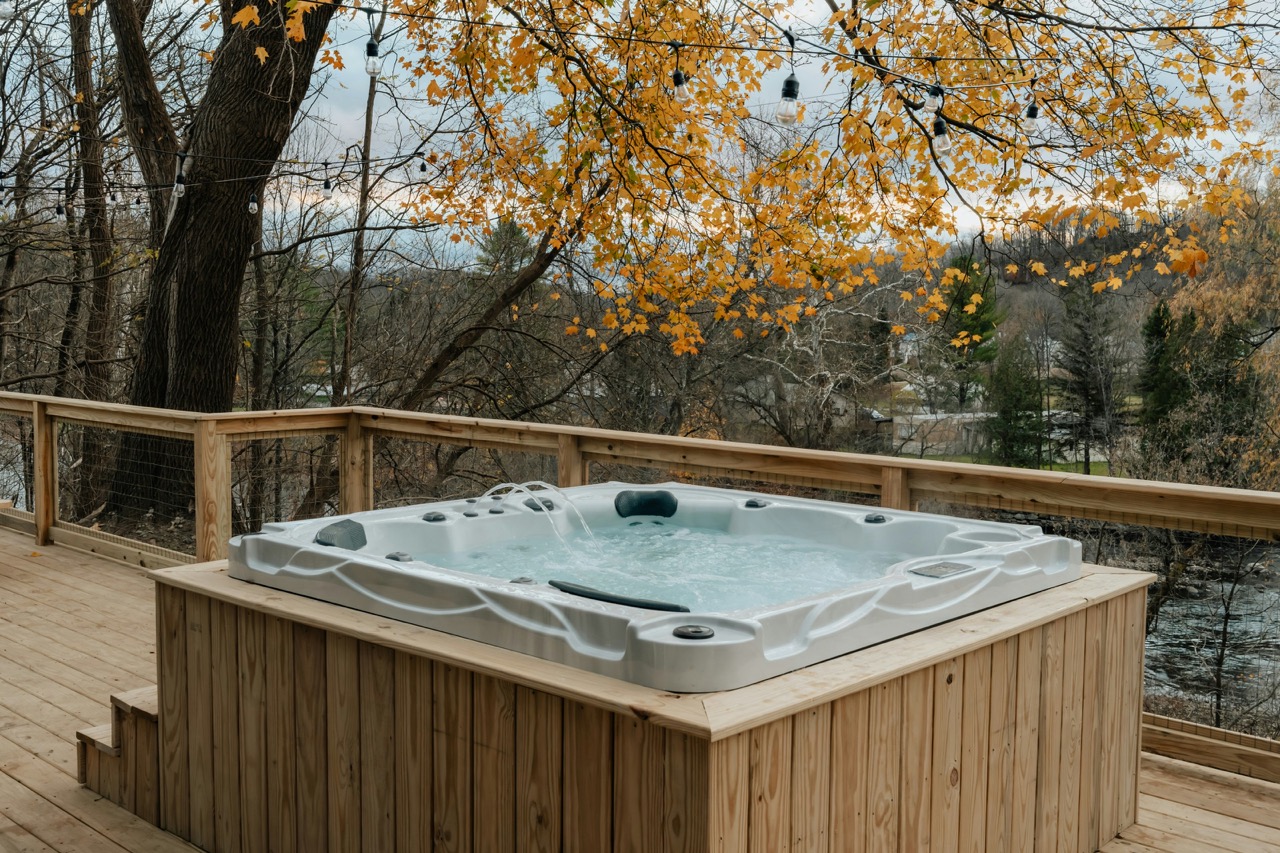
Thinking about adding a hot tub to your Coeur d'Alene or Post Falls backyard? You're not alone—hot tubs are incredibly popular in North Idaho, offering year-round relaxation and therapeutic benefits. But before you can start soaking, you need safe, code-compliant electrical installation. K.O. Electric provides professional hot tub wiring throughout Coeur d'Alene, Post Falls, Hayden, and North Idaho, ensuring your spa is properly powered and ready to enjoy.
Hot tubs combine two dangerous elements: water and electricity. This is not a DIY project. Professional installation is essential for your safety and your hot tub's longevity.
240-Volt Power Requirements
Most hot tubs require a dedicated 240-volt, 50-amp circuit—the same voltage as your electric dryer or oven, but with significantly higher amperage demands. Installing this circuit requires expertise in heavy-duty electrical work, proper wire sizing, and code compliance.
GFCI Protection is Mandatory
Idaho electrical code requires Ground Fault Circuit Interrupter (GFCI) protection for all hot tub installations. GFCI protection immediately cuts power if it detects any electrical fault, preventing electrocution. Only a licensed electrician can properly install and test GFCI systems.
Dedicated Circuit Required
Your hot tub needs its own dedicated circuit—it cannot share power with other outlets or appliances. This ensures the hot tub gets consistent power and prevents overloading your electrical system.
Permit and Inspection Requirements
All permanent hot tub installations require electrical permits in Kootenai County, Bonner County, and city jurisdictions throughout North Idaho. Professional electricians handle permitting, ensure code compliance, and coordinate required inspections.
Safety and Liability
Improperly installed hot tub wiring can cause fires, equipment damage, electrocution, or voided warranties. Licensed electricians carry insurance that protects you if something goes wrong. DIY hot tub wiring puts your family and property at risk.
The bottom line: Hot tub electrical installation is complex, dangerous, and heavily regulated. Hiring K.O. Electric ensures your installation is safe, legal, and built to last.
Understanding what your hot tub needs electrically helps you plan and budget for installation.
Power Requirements (Most Common)
Plug-and-Play vs Hardwired Hot Tubs
Some smaller hot tubs (120-volt models) can plug into a standard outlet, but these are rare and have significant limitations—extremely slow heating and weak jets. Most quality hot tubs require 240-volt hardwired installation.
Does Your Home Electrical Panel Have Capacity?
Adding a 50-amp hot tub circuit requires available capacity in your electrical panel. Homes with 100-amp service may need a panel upgrade to 200-amp service to safely support a hot tub. We'll assess your panel during your free consultation and let you know if a panel upgrade is needed.
Distance From Panel to Hot Tub
The farther your hot tub is from your electrical panel, the more wire and labor required. Hot tubs located on decks near your home's exterior are easier and less expensive to wire than hot tubs placed far from the house or in detached structures.
During your consultation, we'll review your hot tub's specifications (usually found in the owner's manual or on the manufacturer's website) and design the right electrical installation for your setup.
Professional hot tub installation ensures everything is wired correctly, safely, and to code.
Step 1: Free Consultation & Electrical Assessment (30-60 minutes)
We'll visit your property in Coeur d'Alene, Post Falls, or Hayden to assess your electrical panel capacity, review your hot tub specifications, and determine the best location for your disconnect box and wiring route. You'll receive a detailed quote with no obligation.
Step 2: Permit Application (1-2 weeks)
We handle all electrical permit applications with Kootenai County, Bonner County, or your local building department. Hot tub installations require permits to ensure safety and code compliance.
Step 3: Panel Preparation (If Needed)
If your electrical panel doesn't have available capacity or space for the hot tub circuit breaker, we'll upgrade your panel to 200-amp service or install a sub-panel. This ensures your electrical system can safely support your hot tub.
Step 4: Wiring Installation (4-8 hours)
Our licensed electricians will:
Step 5: Inspection & Final Connection (1-2 days)
We'll schedule the required electrical inspection with your jurisdiction. Once approved, we'll make the final connection to your hot tub and test the system to ensure everything operates safely.
Most hot tub electrical installations are completed within 2-4 weeks from approval to final inspection. If you've already purchased your hot tub and it's being delivered soon, call us early to ensure your electrical is ready on installation day.
We've wired dozens of hot tubs throughout Coeur d'Alene, Post Falls, Hayden, and North Idaho. We understand the unique requirements and local codes for safe, compliant installations.
Experience With All Hot Tub Brands
We've installed electrical for Jacuzzi, Hot Spring, Bullfrog, Sundance, and all other major hot tub brands. We work directly from your hot tub's specifications to ensure proper electrical setup.
Complete Electrical Solutions
Need a panel upgrade? We handle it. Need a sub-panel for a detached garage hot tub? We handle it. One contractor, one project, no coordination hassles.
Code Compliance & Permitting
We handle all permit applications, ensure code-compliant installations, and coordinate inspections with Kootenai County, Bonner County, and city building departments.
Licensed & Insured
Idaho Electrical License #068143. Fully insured for your protection and peace of mind.
Transparent Pricing
We provide detailed quotes before starting work. No hidden fees, no surprises—just straightforward pricing for quality electrical work.
Whether you're installing your first hot tub or replacing an old spa, K.O. Electric ensures your hot tub wiring is safe, code-compliant, and ready for years of relaxation.
K.O. Electric provides professional hot tub electrical installation throughout Kootenai County, Bonner County, and Shoshone County. From lakefront properties in Coeur d'Alene to rural homes in the Silver Valley, we bring expert hot tub wiring to every corner of North Idaho.
Whether you're in Coeur d'Alene, Post Falls, Hayden, Rathdrum, Sandpoint, or anywhere in between, we'll ensure your hot tub is properly powered and ready to enjoy.
Q: How much does hot tub electrical installation cost in Coeur d'Alene?
A: Hot tub electrical installation typically costs $800-1,500 for the wiring, circuit breaker, GFCI disconnect box, and installation labor. Cost varies based on distance from your electrical panel to the hot tub location and whether a panel upgrade is needed. We provide free, detailed quotes for all projects.
Q: How long does hot tub wiring installation take?
A: The actual electrical work takes 4-8 hours. The full process from approval to final inspection typically takes 2-4 weeks due to permitting. If a panel upgrade is needed, plan for 3-4 weeks total.
Q: Do I need a permit to install hot tub wiring?
A: Yes, all permanent hot tub electrical installations require permits in Kootenai County, Bonner County, and city jurisdictions throughout North Idaho. K.O. Electric handles all permit applications and coordinates inspections as part of our service.
Q: Can I install a hot tub if I have a 100-amp electrical panel?
A: It depends on your current electrical load. Many 100-amp panels are already near capacity and can't safely support a 50-amp hot tub circuit. We'll assess your panel during the consultation and let you know if an upgrade to 200-amp service is needed.
Q: What is a GFCI disconnect box and why do I need it?
A: A GFCI disconnect box is a safety device that immediately cuts power to your hot tub if it detects any electrical fault, preventing electrocution. It also provides a manual disconnect switch for servicing your hot tub. Idaho electrical code requires GFCI protection for all hot tub installations.
Q: Can I use an existing outlet for my hot tub?
A: No. Hot tubs require a dedicated 240-volt, 50-amp circuit that's not shared with any other outlets or appliances. Standard outlets cannot safely power a hot tub. Proper installation requires new wiring from your electrical panel to a GFCI disconnect box to your hot tub.
Q: Where should the disconnect box be located?
A: Electrical code requires the disconnect box to be within sight of your hot tub but at least 5 feet away. We typically install it 5-15 feet from the hot tub in a location that's accessible but doesn't interfere with your spa's aesthetics or use.

.png)

